
5 Flexible Workspace Essentials and 5 Nice to Haves: What Really Matters in a Serviced Office?
Not all flexible workspaces are created equal. Learn the essential features and valuable extras that improve the experience in serviced offices and coworking spaces.
The flexible workspace sector has evolved rapidly over the past decade. Much of the conversation focuses on workplace design, collaboration zones, wellness features, and sustainability initiatives. All of these are important.
However, after more than 14 years working in the flexible workspace and serviced office sector, progressing from front of house roles to award winning General Manager positions, I have learned that some of the most important factors are often the least glamorous.
Whether you are a startup considering a move from a traditional office lease, an SME seeking a better workplace solution, a charity looking for managed office space, or an operator working within the flexible workspace industry, there are certain fundamentals that can make or break the workplace experience.
Before diving in, it is worth highlighting that not all markets and workspace models are the same. Many functional business centres and managed office buildings focus on delivering affordable office space at a competitive price point. They may not offer some of the premium features discussed below, and that is perfectly reasonable. In many cases, the trade off is lower occupancy costs for customers.
The features covered in this article are most commonly found in premium serviced office space and coworking environments across major cities such as London, Manchester, Edinburgh, Glasgow, and other key business hubs.
Essential #1: Safety Must Always Come First
Health and safety is not the most exciting topic in flexible workspace, but it is unquestionably the most important.
You would be surprised how many office spaces are not fully compliant with basic health and safety requirements. Several years ago, I took over management of an independent workspace portfolio and discovered significant compliance gaps. There were no fire alarm tests being recorded. Fire drills had not been carried out. Risk assessments were missing or outdated.
This was not just a paperwork issue.
It created unnecessary risks for employees, contractors, visitors, and customers.
Any flexible workspace operator should have robust procedures covering fire safety, risk assessments, contractor management, accident reporting, and emergency response. For occupiers evaluating serviced office space, asking questions about health and safety compliance should be part of the selection process.
A beautiful office means very little if the basics are not being managed properly.
If you are a new operator and want a clear health and safety/risk frame work – I offer support
Essential #2: The Three Gs of Flexible Workspace
Over the years I have noticed a pattern.
No matter how impressive the building, members consistently comment on three things more than anything else.
Good WiFi
Reliable internet connectivity is the backbone of every flexible workspace. Poor WiFi can derail meetings, impact productivity, and frustrate customers within minutes.
Most occupiers can tolerate the occasional maintenance issue. Few will tolerate unreliable connectivity.
Good Coffee
It sounds simple, but good coffee matters.
For many people, grabbing a quality coffee is part of their daily routine. In shared office space environments, coffee areas also become informal collaboration spaces where conversations, introductions, and business opportunities happen naturally.
Good Cleaning
Cleanliness is often only noticed when standards slip.
Well maintained kitchens, meeting rooms, washrooms, and common areas contribute significantly to customer satisfaction. A workspace can have outstanding design, but if cleanliness is inconsistent, members will remember that first.
In my experience, good WiFi, good coffee, and good cleaning generate more member feedback than almost any other operational area.
Essential #3: Friendly Customer Service
Flexible workspace is ultimately a people business.
I started my career as part of a front of house team in a large serviced office building. That experience taught me just how important customer facing staff are to the success of any workspace.
The person greeting visitors and supporting members every day needs to be something special.
They are handling reception duties, managing suppliers, supporting meeting room bookings, helping customers, resolving issues, and creating a welcoming atmosphere all at the same time.
Many flexible workspaces operate with lean staffing structures. That means front of house teams often wear several hats throughout the day.
When these individuals are properly supported, they can create exceptional customer experiences. When they are not, both member satisfaction and team morale can quickly suffer.
The right people genuinely make a difference.
Essential #4: Clear and Consistent Communication
Things go wrong.
Lifts break down. Internet connections fail. Heating systems develop faults. Toilets become unusable. These issues are inevitable within any busy commercial building.
The difference lies in how they are managed.
Customers do not expect perfection. They do expect communication.
The best workspace operators provide updates early, communicate regularly, and keep members informed until an issue has been resolved. Even when a problem cannot be fixed immediately, transparency builds trust.
Poor communication often frustrates customers more than the issue itself.
Essential #5: Visible Management
One of the biggest lessons I learned as a workspace manager involved visibility.
I once inherited a building with strong occupancy levels but poor customer satisfaction scores and high front of house employee turnover.
The building manager’s office was hidden away at the back of the property, completely disconnected from customers and staff.
One of the first changes I made was simple. I spent far more time working from reception and shared spaces.
The impact was significant.
Being present made it easier to build relationships, spot issues early, support team members, and engage with customers.
Visible management creates confidence. Customers know who to approach. Staff feel supported. Problems get resolved faster.
Sometimes being seen is just as important as what you do behind the scenes.
Nice to Haves in a Flexible Workspace
While the essentials above form the foundation of a great serviced office experience, there are also several features that can elevate a workspace significantly.
These are not always necessary, but they can provide real value depending on the type of space and customer profile.
Nice to Have #1: A Strong Community Programme
This almost made my essentials list.
The reality is that community means different things in different workspace environments.
A managed office provider focused on large self contained office suites may not require an extensive events programme. Equally, a traditional business centre may have customers who simply want a professional workspace and little else.
For coworking spaces and community focused workspaces, however, fostering connections is incredibly important.
A great community manager creates opportunities for members to meet, collaborate, learn, and support each other.
This does not have to mean large scale events.
At one of my previous locations, the most successful initiatives were surprisingly simple. Monthly member lunches consistently attracted strong attendance. Our networking events featuring local business owners, charity leaders, and subject matter experts were also extremely popular.
Supporting local charities helped bring members together for a shared purpose as well.
One final tip. Never underestimate the value of a regular member newsletter. Sharing new member announcements, business successes, and workspace perks helped keep our community informed and engaged.
Nice to Have #2: Dog Friendly Office Space
Dog friendly office space has become increasingly popular since the pandemic.
Not every workspace offers this benefit, and there are valid reasons why some operators choose not to. Allergies, phobias, insurance considerations, and building restrictions must all be considered.
Personally, I am a fan.
As the owner of Fergus the Labrador and Murray the Cockapoo, I have seen firsthand how dogs can enhance workplace culture and create positive interactions between members.
However, successful dog friendly policies require structure.
Clear rules should be documented. Risk assessments should be completed. Expectations around behaviour, supervision, and cleanliness should be communicated from the outset.
Most dogs are no trouble at all, but having a framework in place protects everyone if issues arise.
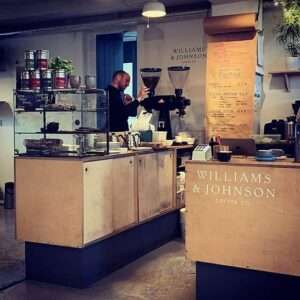
Nice to Have #3: Quality Coffee Facilities or an Onsite Café
As a self confessed coffee enthusiast, this one deserves a mention.
A quality bean to cup machine or onsite café can transform the workplace experience.
In one of my previous buildings, we operated a café and subsidised it for members. It became one of the most popular areas in the building.
People came for coffee, but they stayed for conversation.
Those informal interactions often became introductions, collaborations, and new business opportunities.
Nice to Have #4: Fitness Facilities
Workplace wellness continues to grow in importance.
Fitness rooms and workplace gyms are becoming increasingly common in premium office buildings, particularly in London and other major cities.
For busy professionals, having access to exercise facilities within the workplace can make it easier to maintain healthy routines.
It also provides another reason for employees to choose the office over working from home.
Nice to Have #5: Outdoor Workspace Areas
Outdoor space is one of the most sought after workspace amenities.
Private gardens, rooftop terraces, courtyards, and outdoor seating areas give members somewhere to step away from their desks, take informal meetings, or simply enjoy a change of scenery.
In cities such as London, outdoor workspace features become especially valuable during the summer months.
Even a relatively small terrace can have a significant impact on how members perceive a building.
Final Thoughts
When searching for the best flexible workspace, coworking space, or serviced office, it is easy to focus on eye catching amenities and impressive interior design.
Those things certainly matter.
Yet the most successful workspaces are often those that excel at the fundamentals. Strong health and safety standards, reliable services, excellent customer care, clear communication, and visible leadership create the foundation for a positive member experience.
Everything else builds from there.
The best flexible workspace operators understand that while premium amenities can attract customers, getting the basics right is what encourages them to stay.
Did you know you can filter my Space Directory by feature e.g dog friendly or onsite cafe for example? Just lick on features and vibes tags!