Estimated reading time: 5 minutes
Table of contents
- Flexibility without long‑term commitments
- The ability to scale up or down instantly
- Simple, predictable billing
- Significant staffing cost savings
- No fit‑out or upfront capital expenditure
- Pay‑as‑you‑go services that keep costs efficient
- Built‑in community and networking opportunities
- A modern, professional image from day one
- A smarter way to operate across Scotland
I know a thing or two about operating flexible workspace in Scotland Renting Flexible workspace aka Serviced Office or coworking space, has become one of the fastest‑growing ways for companies to operate across Scotland, from the busy streets of Edinburgh and Glasgow to the energy‑driven markets of Aberdeen and the fast‑developing hubs across Fife.
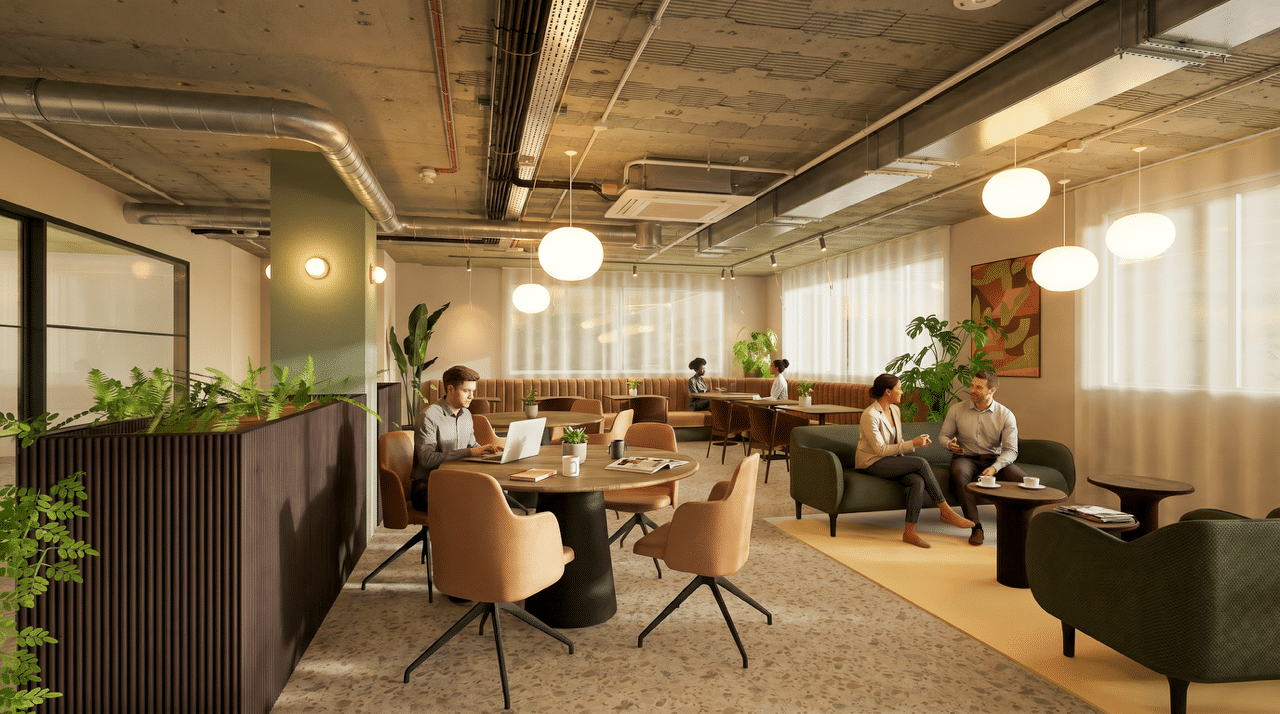
The appeal isn’t just about trendy offices or modern design – although there are clear employee wellbeing and retention benefits to working in a design led, inspiring space. It’s about a fundamentally different way of running a business—one that reduces risk, cuts costs, and gives teams the freedom to grow at their own pace.
A flexible workspace is designed to be adaptable, with short agreements typically ranging from month‑to‑month up to around 24 months, and usually offered on an all‑inclusive basis. A leased office, by contrast, involves a long-term commitment of 2–10 years, with the tenant responsible for repairs, insurance, cleaning, maintenance, utilities, fit‑out costs, and more.
This approach suits small businesses, charities, start‑ups, scale‑ups, remote teams, project groups, and established companies looking to decentralise or expand into new Scottish markets. The benefits are practical, measurable, and immediate, and they’re reshaping how organisations think about workspace.
Flexibility without long‑term commitments
Traditional commercial leases in Scotland often lock businesses into 5–10 year terms, with rent reviews, dilapidations, and legal obligations that can become a financial burden. Flexible workspaces remove that pressure entirely.
Most centres in Edinburgh, Glasgow, Aberdeen, and Fife offer:
- Month‑to‑month rolling contracts
- Short fixed terms from 2–24 months
- No long‑term lease liabilities
- Transparent Costs
This gives businesses the ability to test new markets, expand into new cities, or downsize quickly if needed. For companies entering Scotland for the first time, this level of agility is invaluable.
The ability to scale up or down instantly
Growth rarely happens in a straight line. Teams expand, contract, split into project groups, or shift to hybrid working. Flexible workspaces are designed to adapt to these changes without disruption.
Businesses can:
- Move from a 2‑desk office to a 20‑desk suite overnight
- Add temporary project space during busy periods
- Reduce space during quieter months
- Access meeting rooms and collaboration areas on demand
This is especially useful in cities like Aberdeen, where energy‑sector projects often require rapid scaling, or in Edinburgh and Glasgow, where tech and financial services teams frequently grow in bursts.
Simple, predictable billing
One of the biggest frustrations with traditional office leases is the unpredictable cost structure. Rent is only the beginning—service charges, utilities, cleaning, maintenance, security, and repairs all add up.
Key Takeaways
- Flexible workspaces offer month-to-month contracts and cut traditional lease commitments, allowing businesses to adapt quickly.
- They provide scalability for teams, enabling easy transitions between different office sizes and collaborative spaces.
- Billing is simple and predictable with one all-inclusive monthly invoice, removing hidden costs associated with traditional leases.
- Flexible workspaces eliminate upfront fit-out costs, coming fully furnished and connected, which is ideal for new market entries.
- They foster a community environment, enhancing networking and collaboration opportunities for businesses across Scotland.
Flexible workspaces simplify this with one all‑inclusive monthly invoice, typically covering:
- Rent
- Utilities (heating, electricity, water)
- Internet
- Cleaning
- Service charges
- Building maintenance
- Security
- Reception services
- Furniture
This makes budgeting far easier, especially for SMEs and growing companies that need cost certainty. For businesses operating across multiple Scottish cities, a single, consistent billing model is a major advantage.
Significant staffing cost savings
Many flexible workspaces provide onsite receptionists, community managers, and building support teams. These roles would normally require full‑time salaries, training, and management if a business leased its own office.
By using a flexible workspace, companies can avoid:
- Hiring reception staff
- Managing front‑of‑house operations
- Handling visitor management
- Coordinating cleaning and maintenance
- Managing building access and security
This allows businesses to focus their payroll on their core team, not on operational overhead. In competitive markets like Edinburgh and Glasgow, where staffing costs are high, this can make a meaningful difference to the bottom line.
No fit‑out or upfront capital expenditure
Traditional offices require a substantial upfront investment before a single employee can sit down to work. Fit‑out costs in Scotland can include:
- Furniture
- IT infrastructure
- Cabling
- Meeting room equipment
- Branding
- Lighting
- Flooring
- Kitchen facilities
- Legal fees
- Building surveys
Flexible workspaces eliminate these costs entirely. Offices come fully furnished, fully connected, and ready to use from day one. This is particularly attractive for companies expanding into Fife, where smaller businesses often want to avoid large capital outlays.
Pay‑as‑you‑go services that keep costs efficient
Flexible workspaces offer a range of on‑demand services, meaning businesses only pay for what they use:
- Meeting rooms
- Event spaces
- Printing
- Day offices
- Breakout areas
This model is ideal for hybrid teams or companies with fluctuating space requirements. Instead of paying for large boardrooms or unused desks year‑round, businesses can access them only when needed.
Built‑in community and networking opportunities
One of the most underrated benefits of flexible workspace is the community. Centres in Edinburgh, Glasgow, Aberdeen, Dundee and Fife bring together professionals from tech, finance, energy, creative industries, consultancy, and more.
This creates opportunities for:
- Collaboration
- Partnerships
- Referrals
- Knowledge sharing
- Recruitment
- Local business support
Many centres host networking events, workshops, and social gatherings, helping businesses integrate into the local ecosystem quickly—especially valuable for companies entering a new Scottish market.
A modern, professional image from day one
Flexible workspaces are designed to impress clients, investors, and employees. They offer:
- High‑quality interior design
- Professional reception areas
- Modern meeting rooms
- Strong digital infrastructure
- Breakout and collaboration spaces
- Central locations close to transport links
For businesses in competitive sectors—particularly in Edinburgh’s tech scene or Glasgow’s financial district—this can strengthen brand perception without the cost of a private fit‑out.
A smarter way to operate across Scotland
Flexible workspace is more than a trend. It’s a strategic shift in how businesses operate. Whether you’re launching in Edinburgh, expanding into Glasgow, running a project in Aberdeen, or building a regional presence in Fife, the model offers:
- Lower risk
- Lower upfront cost
- Greater agility
- Predictable budgeting
- Access to talent and community
- A professional environment without the overhead